How Social Media Helps Reputation Management

Recent developments in technology have made it easy to spread your message across many different platforms, which is very helpful in the world we live in today.
Social media has become an integral part of our lives due to its wide reach. It is not only used for keeping in touch with friends and family, but also as a way to interact with the public!
By posting pictures, messages, and videos online, you give everyone access to that content. This way, people can easily share these things with their network or find them via search engines like Google.
It is important to remember that what you say and how you behave online will be seen by others, so make sure to keep yourself civil and focused on educating individuals rather than promoting negative comments or rumors about someone else.
That being said, social media can play a crucial role in protecting and enhancing a company’s reputation. In this article, we will discuss some ways that social media can help with reputation management.
Positive social media presence boosts reputation
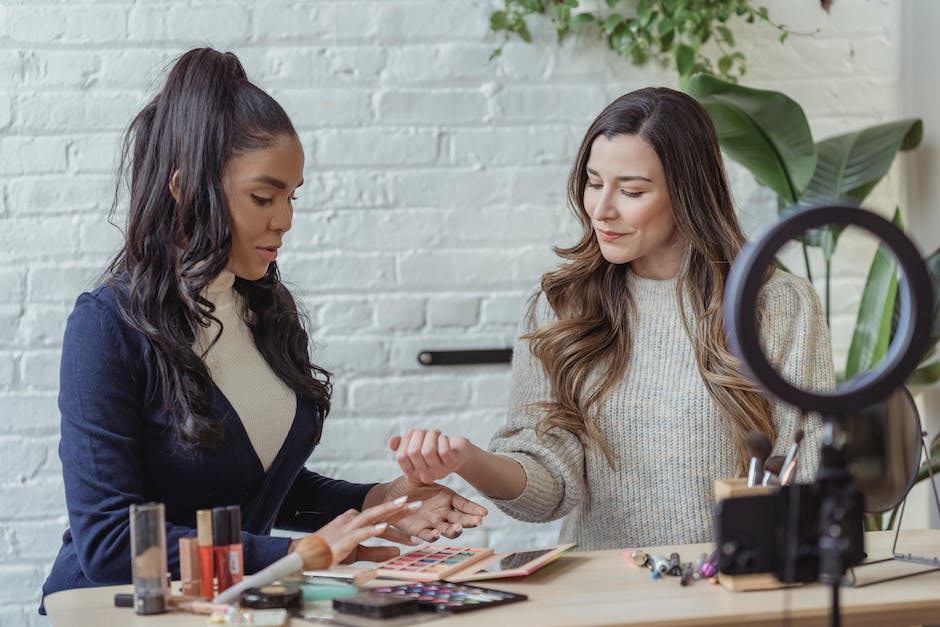
A positive social media presence is an integral part of any effective reputation management strategies. People use social networking sites to read reviews, comments, and posts about you or your business.
If there are lots of negative reviews, this may hurt your image even more. Even neutral or good reviews can damage your reputation if they are not verified as authentic.
By having a strong social media presence, people will trust that what you say is true and comes from a credible source. If someone complains about something you said or did, others will view this as a legitimate concern and address it accordingly.
Social networks also let your followers, watchers, and subscribers know when you are away so they can choose who to believe.
Online communities form groups of individuals with like-minded interests. By being active in these communities, you expose yourself to new ideas and perspectives while enhancing your understanding of other topics.
By actively participating in them, you demonstrate an interest in the group and their discussions, which makes you seem more knowledgeable and trustworthy.
Negative social media presence can damage reputation
There are many ways that negative comments or messages spread via social media can hurt your business. It is not only people talking about you, but also the way they talk about you.
Whether it be through complaints, criticisms, or compliments, these postings can have disastrous effects on your company’s image.
It will weaken your confidence in doing business, which will ultimately lead to lower sales and profits. At the very least, users will develop an unfavorable opinion of your brand, making it harder to promote yourself professionally.
There are several things that can be done when this happens, but the best approach depends on what kind of tone the comments have.
You must respond to all criticism with grace and respect. Do not get angry or take anything personally – instead, use logic as possible tools.
This will help you stay calm and avoid any potential backlashes or escalations.
You can improve your reputation through social media

Even if you're already using social media to promote your business, there is still more you can do to strengthen your reputation as people search online for information about you.
By now, most of us use at least one type of social media to connect with friends and family, market our products and services, and learn more about other things that are important to us.
In fact, according to an AdWeek survey, more than half of all adults in America over the age of 13 have a smartphone with internet access, and nearly two-thirds (65 percent) own a laptop or computer with web browsing capabilities.
This means that almost everyone has access to some sort of tool to do research and communicate virtually anywhere around the world. And while it was once considered vulgar to read newspapers due to their sometimes unflattering coverage of prominent individuals, today anyone can find out what newspapers say about you by searching their name on Google.
The same goes for watching TV - before, only those with cable or satellite service could watch certain channels, but these days anything you want can be accessed via YouTube or another app or site.
By creating positive experiences for yourself through sharing tips, answers, and resources via social media, you increase your overall popularity and influence. This benefits you in many ways, not just professionally, but also emotionally.
Some tips for reputation management
Having an online presence that reflects your moral values and career goals will help you in many ways to keep your image strong. If you want to see changes in how people perceive you, start looking into it now!
Running out of ideas? No need to panic! There are several easy ways to fix or improve your social media profile pictures without having to invest too much time or money.
Some brands use computer software or apps to generate new profile pictures for employees. These applications can be fun to play around with so why not look through them to find one that fits you? You could even make your own if you have photoshop or other graphics editing software!
This article will go more in depth about some simple steps to take to improve your reputation as well as what types of profiles are needed for different jobs.
Tell your story
One of the most important things to consider as part of reputation management is telling your own narrative. What you say about yourself, your company, and what happened will have an impact on how people perceive you and your brand.
Tone and manner matter. When speaking about negative experiences, use appropriate vocabulary and don’t overstate or exaggerate anything.
Be honest but don’t underestimate the importance of perception either. People will compare what you say with other sources they have. If it matches another person’s account, then that could hurt your image.
Keep in mind that online content can be accessed by anyone so make sure your tone and messages are consistent across all social media platforms.
Furthermore, keep up-to-date records of past activities and conversations. This includes notes and recordings via smartphone apps or software.
Be honest
One of the biggest things that can hurt your reputation is lying or misleading information. People may trust you, but if you don’t live up to their expectations, they will be reluctant to do business with you.
When an unexpected situation arises, people often look at their past behavior as indicators of how they will behave in the future. If someone comes across evidence that contradicts what you told them earlier, it casts doubt onto your credibility.
It hurts your image and makes others distrust you. This could cost you money depending on what you are selling.
By having a social media presence, you give other people the opportunity to read your messages and see examples of yourself being truthful and consistent.
Your colleagues, friends, and family who know you might share information about you. They could talk about issues they perceive you to be dishonest about, or something you did that made them feel uncomfortable.
If these things happen, then people will think poorly of you. You need to be careful about what you say online because it can have serious repercussions.
Running into problems due to poor reputation management isn’t limited to just one area either. It can affect your work, home life, and even hobbies.
Reputational risk goes beyond just your personal well-being, too. The severity of any negative effects depends on the nature of the mistake and whether there were more important matters at hand.
Take down the post
One of the things that can really hurt your reputation is when someone posts content about you or reports you for something. This is called libel or defamation.
In fact, it’s so common that there are entire industries built around helping people deal with this kind of damage to their image.
Something most people don’t realize is that social media makes defaming you much easier than ever before. It's almost impossible to take down a bad article unless you go through an expensive process that involves lawyers and tracking services.
That’s why it’s important to stay calm and respond in a way that doesn't make you feel even more stressed out.
I've got some tips for you here. You're going to find them helpful whether you're being libeled or just want to prevent others from spreading false information about you.
Prepare a damage control plan
After an egregious error or bad action, it is important to have a game plan in place to mitigate the impact of these actions. This can include things like changing your username, edit history revision checking, blocking people, etc.
It is also important to be honest when responding to questions about the mistake. Don’t make false statements because this will hurt you more down the line. Be straightforward and open about what happened so people don’t get misled.
On social media sites, there are tools that can help prevent malicious rumors from spreading. For example, if someone mentions your name in a conversation, their followers may leave the comment, but then see if they can go back and find yours – this is called tweet re-pinning.
By adding “reputation repair” as a feature, users can now click on your username and look at all of the comments, conversations, and engagements related to it. It will also show you the same for the person who mentioned you.