How Moderna And Pfizer Vaccines Compare

Recent developments in vaccine technology have given us some of the most effective vaccines available. New technologies like adjuvants, vector-based vaccines, squalene (an oil component), recombinant proteins, and nucleic acid sequences can improve how well your child’s body is able to respond to vaccination.
Not all children are the same when it comes to their immune systems. Some kids may be more susceptible to poor antibody responses or autoimmune diseases than others. Finding the right balance of immunization for every individual kid can go a long way in protecting them from serious health conditions.
There are many different types of vaccinations, with various levels of strength, so choosing which ones should be administered to your child is an important part of pediatric healthcare. The best place to start is by comparing moderna vaccines with those that have been around longer.
Who is Pfizer?

Starting in 1910, when Jonas Salk developed his vaccine for polio, through to today, vaccines have played an important role in protecting people from infectious diseases.
Vaccination plays a major part in our overall health and wellness, helping to keep us healthy and prevent disease. While there are several types of vaccinations, one of the most common vaccination strategies is using either a live or dead microbe as an antigen (or “carrier”) to produce an immune response that helps protect you against similar microbes.
Certain bacteria and viruses use antigens to infect cells so they can thrive and spread within your body. When you develop an immune system reaction to these antigens, your body creates antibodies that help defend you by targeting the antigen and preventing it from interacting with other parts of your body.
There are many different vaccines available, some more effective than others. Unfortunately, not everyone responds well to all vaccines. For this reason, doctors sometimes recommend getting vaccinated but also advising patients on how to manage their symptoms if a less successful immunization occurs.
In fact, about half of all adults don’t respond to at least one vaccine! This means that around 50% of adult populations are unprotected during times of epidemic or pandemic.
Luckily, we now have two new vaccines that show impressive results in clinical trials.
What are Moderna and Pfizer vaccines?
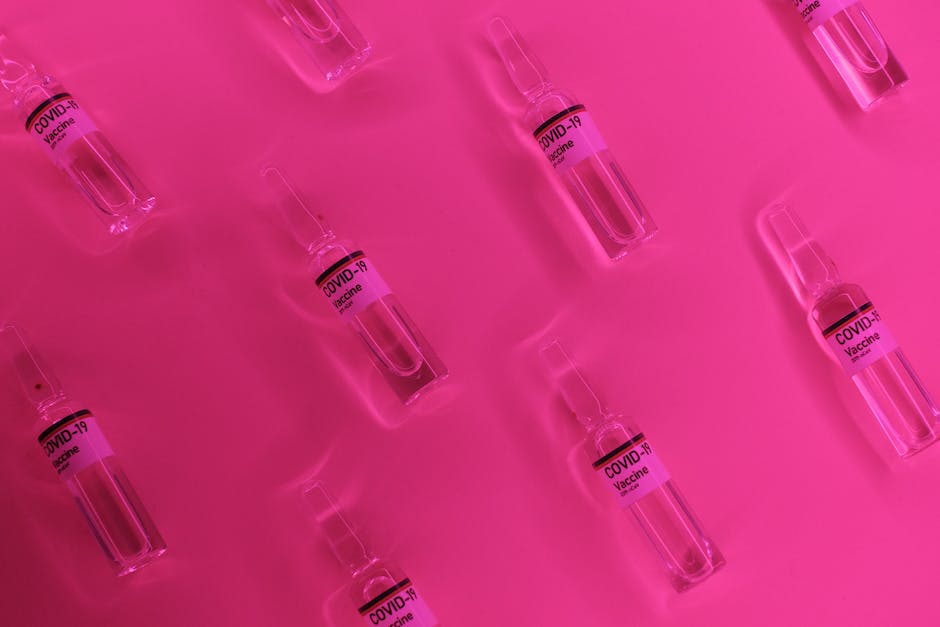
Both Moderna and Pfizer vaccinations use heat-killed bacteria or viruses as antigens to create your child’s immune response. These antigens help your body recognize and defend against real infectious diseases.
As with any vaccine, there can be side effects. Most often, children will experience redness at the injection site, fever, fatigue, and stomach aches for a few days.
More rarely, there may also be more serious side effects like seizures, allergic reactions, inflammation of the heart and blood vessels, swelling of the face and throat (asthma), brain symptoms (encephalitis) or other problems.
What does Moderna do?

In addition to vaccinating with traditional vaccines, Moderna also uses an adjuvant in their vaccine products. An adjuvant is a component of a vaccine that helps boost your body’s immune response to the vaccine ingredient it surrounds.
The Adjuvant Used By Moderna Is A Particular Amino Acid Called Phosphatidylethanolamine (PEA). PEA can be found naturally in some foods like nuts and avocado. It is not known whether there are any health benefits related to using PEAs as an immunostimulant.
However, one important function of PEAs as a food additive is to act as a preservative. Thus, they have been used for that purpose since 1950! That means you could probably eat several grams of PEAs every time you eat an avocado or nut product.
By adding this additional layer of protection, Medical Officer Sean O’Brien says PEIs help prevent the break down of the vaccine into components that cannot be absorbed by the body. This adds strength to the immune system’s ability to recognize the vaccine antigen and respond appropriately.
What does Pfizer do?

Before we look at how much more expensive their vaccine is, let’s take a closer look at what they actually put in their vaccines.
Moderna doesn’t have any unnecessary ingredients in its products. It only includes things that work. And since we know how effective their vaccine is, it makes sense to compare notes on price!
Pfizer also uses an adjuvant (or booster) to help their vaccines be even more effective. They use squalene, which has been linked to autoimmune diseases like lupus and arthritis.
Why are these agents needed?
A vaccine must be mixed with something to stimulate your body’s immune system to respond. An agent such as water or saline acts as a solvent to mix the antigen-contents of the virus or bacteria with the cells in your body that will eventually recognize it and attack it.
But not all solvents are equal. Some people are very sensitive to certain ones. When injected into our bodies, some may cause problems for some individuals.
That’s why there are different types of adjuvants used in vaccines. Each one seems to affect the way our bodies react to the vaccine differently. Some improve the effectiveness of the vaccine, while others can cause adverse reactions.
Fortunately, you don’t need to worry about which type of adjuvant each vaccine uses.
How do Moderna and Pfizer compare?

Both Moderna and Pfizer vaccines use recombinant technology to preserve the components of the vaccine, or strengthen the immune system’s response to the antigen in the vaccine.
By altering the chemical structure of the antigens, scientists are able to create more effective antibodies that can better identify and neutralize the virus.
There are some minor differences between the two types of vaccinations. For instance, the adjuvant used for each type is different. An “adjuvant” is an ingredient in a vaccination product that helps stimulate the body’s natural defenses.
The choice of which one to use is mostly dependent upon what kind of immune reaction you want to see in your patient. Some people may develop very strong reactions to certain ingredients, so only patients with moderate sensitivities should be given that particular vaccine.
However, there is not much difference when it comes down to the effectiveness of the vaccine! Either will work just as well in protecting your patients from hepatitis B and C.
What are the differences between the vaccines?
Both Moderna and Pfizer vaccinations use a process called adjuvantation to improve vaccine effectiveness. An ingredient, or adjuvant, is mixed with your normal vaccination schedule to boost the immune response to the vaccine.
The difference is in what kind of adjuvants each uses. The Pandemic H1N1 Influenza Vaccine does not contain adjuvant, whereas the RTS,S/AS01 malaria vaccine includes an adjuvant that helps increase the body’s immunity to malarial infection.
Adjuvants can have negative side effects, but they do not pose greater risk than getting the flu shot normally. In fact, some people may feel better after receiving the pandemic influenza vaccine because it contains no adjuvant!
Regularly vaccinating against infectious diseases like hepatitis B and malaria will help keep you healthy and reduce health care costs for you and others.
Who should get which vaccine?

Although there are differences in how individual vaccines function, all of them work to confer protection against one or more infectious diseases. As such, most major medical organizations recommend that people be vaccinated to ensure your own health as well as protecting others’.
Some studies have even suggested that some vaccinations can lower your risk of getting other serious conditions like asthma and allergies.
Because each vaccination is only good for you once, it is important to know what works for your body and when. In addition, finding out who needs which vaccine may help you decide if you need to receive them and when.
It is very common for companies to change the labels or formulas of a vaccine, so check out our article here about different versions of the MMR vaccine. There are also sometimes slight variations in dosing between manufacturers, so do not assume they are same!
Many healthcare providers now ask their patients if they have any reactions to previous vaccines, but unfortunately, we do not always track this information properly. If you notice changes in symptoms since you last received a vaccine, make sure to visit your doctor to see if something new is needed.
Hopefully you will never need to use these products, but being prepared with vaccines can help you feel safer and more confident in our nation’s immunization system.
What does this mean for my health?

Recent developments in immunotherapies have brought us new hope for more effective vaccines. Two notable examples are the use of monoclonal antibodies to boost the body’s immune response to disease or parasite targets and therapeutic cancer vaccinations.
Moderna is one such company that has made an antibody vaccine- they call it mUCBA (monoclonal uveitis binding agent). This drug works by targeting proteins called melanin, which some viruses and bacteria produce during their growth cycle. By blocking these melanins, the body doesn’t recognize them as foreign material, so they don’t trigger an aggressive anti-melanin reaction.
This means that the virus or bacterium can grow unhindered, putting additional stress on the infected area and creating possible opportunities for infection beyond the initial outbreak.
By altering the way our bodies respond to infectious agents, we may be able to strengthen the body’s natural defenses and prevent diseases like psoriasis, vitiligo, pemphigus, and even autoimmune conditions like rheumatoid arthritis and lupus!
That’s why there are plans to test moderna eye vaccination in people with active autoimmune eye disease. If successful, it could help preserve vision and reduce systemic inflammation, improving quality of life. It might also prove helpful in preventing recurrences of chronic ocular herpes, dry eye syndrome, and other infections of the eyes.