Does Media Have A Social Responsibility
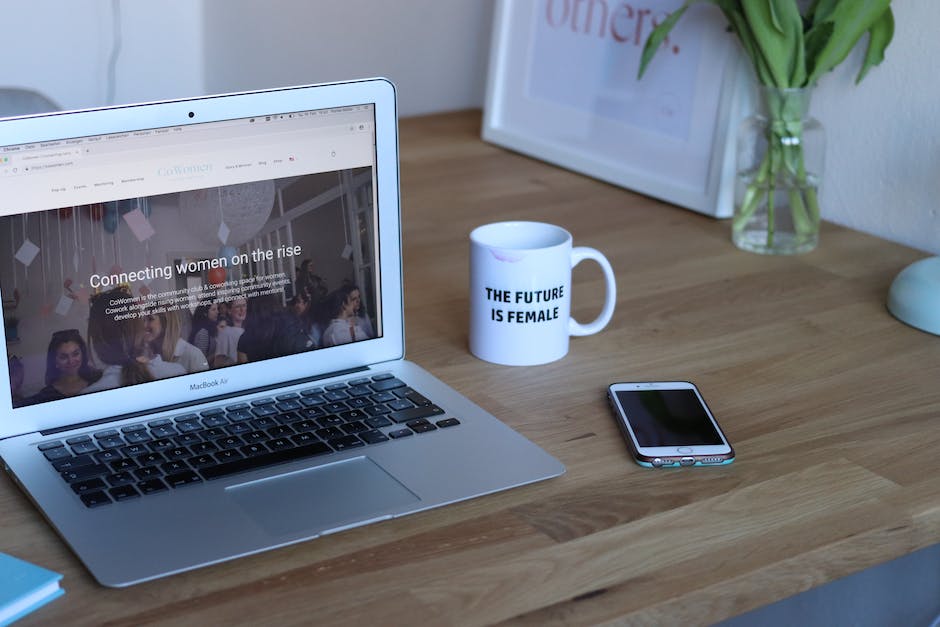
As media becomes more accessible to anyone with a smartphone, it raises questions about what kind of messages people are receiving. Technology has made it possible for anyone to create or influence content — which is both positive and negative depending on what type of message you want to spread.
Content can be used to promote products, inspire an action, or even distort truth. It depends on how your audience responds to it. Using media to spread messages that emphasize self-care is one way to use technology in a responsible manner.
Self-care is defined as actions taken to take care of yourself physically, mentally, and emotionally. Messages that encourage self-care can help you feel better about your personal life and responsibilities while also giving you a break from overworking.
This article will talk about some ways different types of media contribute to social responsibility by promoting self-care. For more information, be sure to check out our article on How To Use Media Effectively. You may also find this topic interesting: Why Is There A Debate About The Health Benefits Of Coconut Oil?
Disclaimer: This article should not be used as educational material to urge patients to actively engage in risk behaviors such as smoking, drinking alcohol, or using illicit drugs. Educational materials should only advise healthy activities to ensure health and wellness.
Medial Independence ica Self Care
Blogs, magazines, and YouTube videos can motivate individuals to practice self-care by encouraging them to do things they enjoy.
There are many negative effects of the media

The media has an enormous influence on society, and it is expanding this influence at an alarming rate. Technology has made the dissemination of information easy, which allows for greater exposure and perception of messages than ever before.
The vast majority of people today have access to a smartphone with internet coverage, so individuals can read news articles and watch online videos anywhere at any time.
This means that even if someone does not agree with what you say, they can still learn something from your argument. It also gives the average person more power as they now have access to important information.
However, all too often these things do not exist in life apart from through the media. Messages about health, politics, and religion come only from sources within the media – no other source gets prioritized.
This lack of diversity in message content creates skewed perceptions and opinions. People who believe the same thing as the media are given higher credibility, while those who do not are ignored.
Furthermore, studies show that repeated exposures to similar messages create psychological dependence on the media, creating passive viewers or readers.
Positive effects of the media
Recent studies show that the way you consume media has significant impacts on your health and happiness. The media you read, watch, listen to, and share influence how you feel about yourself and the world around you.
It can have positive or negative effects, but most people are not aware of this. Many things we learn about ourselves via the media go far in defining who we are and what kind of person we believe ourselves to be.
That is why it is important to evaluate the media you read, watch, and listen to for its messages.
There are many ways the media influences us. It can promote products, services, and ideas; it can hurtful stereotypes and myths; it can teach us something new and valuable.
All these factors make the media rich sources of information and education.
However, there are some studies that suggest that certain types of media may be harmful to our mental and physical wellbeing.
The government should regulate the media
We as citizens need to take control of our media habits, especially those that influence young people. As we have seen with this pandemic, the news can be both harmful and helpful.
Some reports are needed to make people aware of important issues, but too much exposure to negative stories can contribute to creating more hungry survivors in an ever-growing epidemic.
It is your responsibility to choose what you read, watch, and listen to. Make sure your media use is appropriate for your age group.
As parents ourselves, we understand how difficult it can be to find the right balance of media exposure for your kids.
That’s why we have put together some tips for you to consider when assessing the impact of the media on your children.
The media should regulate themselves

We as consumers of media have a responsibility to keep ourselves informed about what kind of content we are allowing into our lives. As much as some would like to believe that the media has no influence on us, this is simply not true.
The media teaches us about ourselves, how other people think, and even gives us tools to improve ourselves. They also teach us which companies are worth investing in and which ones are not.
It is your duty as an intelligent being to take advantage of all the benefits the media has to offer and discard anything that does not. No one else will!
Now here’s the tricky part – how do you determine if something is good or bad for you? You must know yourself first.
If you never read any newspapers then I cannot force them onto you. If you rarely watch television then I can’t make you watch One More Episode. But if you constantly expose yourself to negative news stories and junk TV then it's up to you to decide whether or not to follow their lead.
The media should tell the truth
As mentioned before, the mass media has an important job to do- inform the public of the facts! Unfortunately, the media does not always live up to this responsibility.
When there is a large amount of money involved, political influence, or both, then telling the truth becomes less of a priority. When this happens, the media ceases being an informed source and instead becomes one that people trust more than they believe.
This is not okay because we as individuals need sources of information that we can rely on. We also need to know what truths are and are not being told to us so that we can make our own decisions about things!
It is the individual’s right to choose how to spend their time learning about topics that matter most to them. It is also the duty of the media to help facilitate these choices by providing honest, reliable information.
The media should not try to be unbiased

We as consumers of media have a right to expect more from the industry we pay for content. You may already know what I mean when I say this, but let me elaborate.
We as paying customers deserve better than propaganda. Propaganda is the dissemination of information or ideas that are intended to influence others. So companies make an effort to convince you about their product by telling you how great it is, and spreading positive stories about it.
This isn’t always bad, but sometimes it is! For example, most people agree that sugar makes us fat, so food manufacturers spread false rumors like “enjoyed flavor while still being healthy” or “the color comes from fruits and vegetables.”
Sadly, some corporations use nutritional misinformation as a way to profit off your hunger. This is why it is important to do your research before buying a product, especially if you’re spending money on something you don’t really need.
It is also worth noting that some studies show that emotional eating is linked with weight gain, so making yourself feel guilty for wanting chocolate can actually help keep you thin.
Media should report all sides of an issue
As media professionals, we have a social responsibility to inform the public about issues that are important to them. We have a moral obligation to give people different viewpoints so that they can make their own decisions.
This is true even when opposing views may be controversial or upsetting. When news coverage is one-sided, it creates an environment where only one side has a platform to be heard. This leaves many people with no other source of information but the media, which undermines trust in journalism.
By giving both sides of an argument equal attention, the general public comes away more informed and better equipped to form opinions. It also encourages open discussion, helping establish healthy debate and communication skills.
On several occasions, I’ve read reviews online of new movies that donw not agree with each other. Some like the movie very much while others think it was terrible and/or offensive. However, none of these reviewers left out anything significant for the film, nor did they fail to praise any aspects worth mentioning.
In fact, some even made comparisons to show how the movie differed from the original work and why this version deserved its place. In my opinion, these reviews were effective because they gave clear reasons as to why the movie deserved your time.
I believe there is an equivalent to this in media coverage of non-fiction topics. A recent example of this would be the controversy surrounding New York Times columnist Bret Stephens‘ article “The Case Against Immigrants.
The media should not favor certain politicians or parties

We as consumers of media have a responsibility to make sure that we are donating our money to organizations that promote socially beneficial changes. Companies that advertise for political candidates or positions typically do so because they want you to purchase their products.
Politics is a huge market field, one where corporations can truly profit. Advertisements tell us who to vote for, what policies are needed to help your party win, and which ones are unnecessary wastes of resources.
By advertising for only one side of the argument, companies end up supporting only one set of policies. This benefits only those people with already pre-existing beliefs – yourself and other members of this group will be paying more for these advertisements, helping others stay in line with yours!
It also helps lobbyists and special interest groups push their agenda because the advertisement fund is now fully invested in their cause.
We can easily avoid investing in politically oriented ads by simply using social media sites like Facebook and YouTube to search for information instead. These websites tend to show you all sorts of things; you get the choice whether to read it, watch it, or both.