How Can Tv And Social Media Negatively Affect Weight-management Efforts
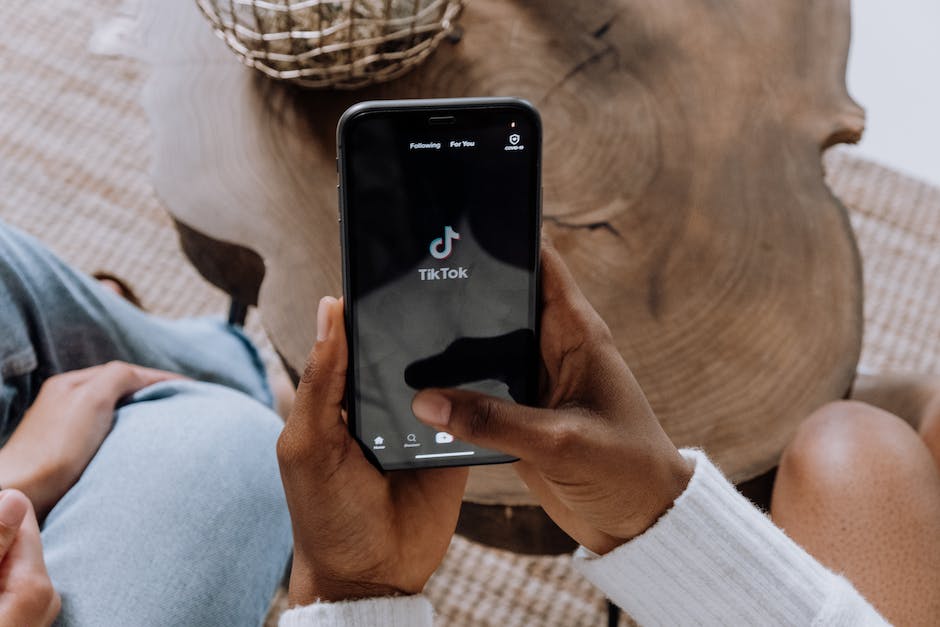
Recent studies show that watching TV or using social media sites can be a risk factor in developing overweight or obesity. Researchers have even gone so far as to suggest limiting screen time to reduce weight gain due to chronic exposure to advertisements of junk food and sedentary lifestyle products.
Many people begin eating foods that are high in fat and sugar after spending hours looking at and listening to content that promote such items. This is especially true for children who spend many hours per day in front of screens.
Furthermore, research suggests that individuals who use social media apps like Facebook and Instagram are exposed to more advertising than those who do not use these applications.
It has been shown that this exposure leads to additional weight gain because users subconsciously compare their own body size with that advertised. Users also may add extra calories by interacting with advertisers or posting comments about diet plans or diets.
This article will discuss some strategies you can employ to limit your screen time and how technology can affect your weight loss efforts.
TV and social media affects what we wear

Recent studies show that watching television is one of the leading reasons why overweight people try to buy more clothing. They may feel they need to match popular fashion trends, which can contribute to their body image issues.
Another reason is that when you watch TV, advertisers often use fancy clothes as models or decorations for the commercials.
They also advertise diet supplements and nutrition plans while showing beautiful people using the products. All of this creates an illusion that it is okay to be less healthy because these advertisements are very appealing.
Some experts even argue that advertising contributes to eating disorders like bingeing and overconsumption.
TV and social media affects how we exercise
Recent studies show that people are spending less time actively engaging in physical activities like going to the gym, hiking, or taking yoga classes because they spend too much time watching television or using social media.
In fact, one study found that individuals who spent more than two hours per day interacting with others online were almost three times as likely to be overweight as those who spent two hours or fewer talking to friends and family offline.
Another study found that individuals who reported being frequently stressed out were twice as likely to be obese as individuals who said they did not feel this way very often.
Obesity may also influence how you exercise. According to an article published in the American Journal of Clinical Nutrition, people who are obese tend to start exercising later and for shorter periods of time than individuals who are not obese.
This can sometimes result in half the patients in a doctor’s office being diagnosed with unhealthy habits such as smoking or poor eating habits.
TV and social media affects what we read
Recent studies show that how much time you spend watching television or using social media sites like Facebook, Instagram, and Twitter can affect what kind of junk food products you purchase, whether or not you eat them, and if you even know what a “healthy” diet is.
Some researchers believe that exposure to too many advertisements for foods and beverages may contribute to overweight and obesity. Advertisements convey false messages about weight loss by emphasizing diets instead of exercises, and use emotional appeals such as fear to get people to buy their product.
Another theory is that because most advertising is designed to make us feel bad about ourselves, it subconsciously makes us think more poorly about our own bodies. This could lead to eating more than necessary to satisfy your desire for food and feeling unsatisfied.
It also may influence what types of workouts you do. Because commercials often feature glamorous lifestyles featuring lots of expensive fitness equipment and clothing, people who are looking to lose weight may give up on trying to fit in a workout at the gym because they don’t want to invest money in things that might not work for them.
There have been some theories suggesting that being exposed to too many images and videos of beautiful, lean people may create an internalization effect — setting off negative thoughts about yourself and your body.
TV and social media affects how we behave
Recent studies show that watching television is linked to higher body weight, and using social media sites like Facebook and Twitter can influence your eating habits.
Studies have shown that people who watch more television are likely to eat more calories than those who spend their time in other activities. This seems counterintuitive, but makes sense when you consider it!
If you're spending lots of time in front of the screen, you may be less active outside the home, which could hurt your health overall. Plus, most episodes of popular shows contain a lot of advertising for junk food and beverages, so you might as well let yourself enjoy the program while also feeding yourself poorly.
Another study found that overweight individuals were twice as likely to check in onto Facebook after waking up than individuals who were not obese. Researchers believe this has something do with letting sleep go by because you wanted to look at your phone before bedtime.
By giving yourself extra time away from sleeping to use your device, you may be depriving your body of the needed rest it needs to function properly.
TV and social media affects our self-esteem
We spend a lot of time watching television, and most of us use social media to browse through profiles and pictures.
These things are important parts of your life, but they can also have negative effects on you.
For example, when we watch TV, it is often for entertainment purposes. But sometimes, the ads that accompany these programs may offer products or services that seem very appealing.
Some of these products could be expensive false promises that do not work. Others might influence you to buy them because of how attractive they are.
On social media sites like Facebook and Twitter, people advertise by posting messages, stories, and photos. Some advertisers use flattery to appeal to your sense of vanity – how much you love yourself as a person.
They will tell you that you look good enough, or even great, and that if you don’t take care of your body, someone else will.
This cuts into your confidence because you think others must admire you more than you do yourself.
TV and social media affects our mental health
Recent studies show that watching television or using social media for extended periods of time can have negative effects on your psychological health.
Research shows that chronic exposure to thin, attractive people may contribute to eating disorders and body image issues.
Thin bodies are an important part of our culture, but they don’t help us manage our weight well. In fact, when we look at the average size of someone’s waist, it is getting narrower!
Abdominal fat makes you more likely to get heart disease and diabetes. And although most people feel some kind of pressure about their own body shape, research suggests that this feeling is mostly due to societal norms, not actual limitations on how tall and slender you can be.
We need to recognize that what society considers “beautiful” changes over time. The best way to manage your weight isn’t just relying on yourself, but also changing what you're exposed to. - Mayo Clinic
It's very important to note that while there is some evidence that media influence has little effect on average weight individuals, it does pose a risk for those who struggle with obesity or dieting.
For these individuals, even small exposures to overweight models or advertisements could make them feel bad about themselves and potentially inspire unhealthy behaviors such as binge eating.
Since one out of every two adults in America is considered obese, this is a significant concern.
TV and social media affects our relationships
Recent studies show that TV can have a negative effect on weight loss efforts. Researchers found that people who watch more TV are less likely to use fruits and vegetables as part of their diet, and they may even eat fewer fruits and veggies.
They also find it harder to resist foods that you see displayed in front of you every day, such as snacks that are advertised during television shows or commercials.
Some experts believe that this influence is so strong that it makes it difficult for individuals to maintain healthy diets. They suggest that limiting screen time could be an effective way to improve your health if you’re struggling with obesity.
It’s important to note that just because something is popular doesn’t make it bad for you. But keeping excess sugar and fat intake to a minimum will probably help you lose weight.
TV and social media affects how we eat
We seem to spend more time watching television or using social media apps than eating meals. This is particularly true of young people, who are increasingly relying on technology for entertainment.
When you consider that one study found that it takes us around 25 minutes to decide what food we’re going to have, this relationship between media use and meal timing becomes even more important.
It can easily be forgotten when you watch a lot of TV or use certain app features like “likes” or “comments”.