How Is Not Being On Social Media A Form Of Impression Management
One major reason why people gain social media followers is because they want to seem more important or significant than other users. They feel that if many people know them then they must be good, so they follow back everyone!
This isn’t the best way to grow your follower base nor will it help you build trust with others. By disappearing suddenly without explanation, you run the risk of creating doubts about your integrity or whether or not you are actually engaged in the community you claim to belong to.
Not being on social media can actually hurt your reputation and make you look like someone who doesn’t care about other people. This will only end in negative consequences for you.
There are several ways to stay active online while still avoiding all of the above, but none compare to just not using social media entirely.
Definition of social media
Starting your day by browsing through the various accounts on Facebook, Instagram, or Twitter is what many people call “socializing”.
By doing this, you are creating an environment where others can broadcast their experiences to the world.
This isn't limited to just using a specific app, but instead it revolves around the concept that sharing information with other people is important in shaping our society.
Social networking sites offer users the opportunity to do exactly that – share experiences, insights, and knowledge.
However, there is a growing concern that some individuals may be limiting their self-expression due to fear of how their images and messages will be perceived by others.
This article will talk about three different reasons why not being on social media is a form of impression management.
Avoiding Rejection
Blogging was once considered a way to express yourself, and now it has become one of the most popular ways to get your voice out there.
Many people start writing blogs and then quickly give up because they feel like no one wants to read what they have to say.
This is totally normal!
Writing a blog takes time to grow and gain momentum so initial silence is accepted as part of the process. It takes a while for your words to find an audience and be noticed.
It’s hard to remember this when you want to write something new every minute of every hour of every day.
Reasons why you should or should not be on social media
One of the biggest reasons that people get involved in the habit of staying away from social networking sites is because they worry about what other people will see about them.
They are concerned about sharing too much information with everyone, or feeling embarrassed by something someone else may find out. Or maybe they just don’t like the way it looks, or how easily people can access personal info.
All of these are very good points, but there is one major reason why being online is a bad idea. It’s called impression management.
Impression management comes down to this: if you think someone might perceive you in a negative light, then don’t do anything to reinforce those perceptions.
Avoid posting pictures of yourself drinking alcohol, wearing skimpy clothes, or making rude statements. All of these things create new impressions that could hurt your image.
On the contrary, try putting up more positive images and messages. People who know you well won’t look at you as harshly when they see these things.
Examples of social media influence

Recent studies have shown that being active on at least one of the major social networking sites is almost necessary to ensure your career success.
Networking has become an integral part of our society, as it was in years past. While it may be difficult to believe, spending time away from computers actually creates a gap between you and potential employers.
By staying connected, you expose yourself to new opportunities. You increase your network base, connect with professionals, and make yourself more accessible. All of this helps you gain visibility and exposure.
In fact, recent research suggests that over 70% of all employment happens through people or word-of-mouth recommendations. By having large amounts of connections, you improve your chances of finding employment.
It’s also important to remember that most employees don’t interact with their colleagues only about work. They talk about what they eat for lunch, how much money they made last month, and whether their family members still live at home.
This kind of informal conversation can help you determine who might need help, and which positions are open at their company. It’s worth noting that most companies actively look for job candidates online, so don’t hide from technology!
There’s no reason to feel embarrassed about looking for employment, but thinking ahead and minimizing unnecessary exposures will maximize your chances.
Taking control of your impression management
It is very important to recognize that not being on social media is not a way to avoid perception as a likeable, trustworthy person.
Being able to identify what makes you feel good about yourself and how to apply this self-knowledge to other areas of your life is an essential part of personal growth.
By avoiding exposure to the messages and opportunities conveyed through online content and tools, you’re actually limiting your ability to develop core skills such as self-awareness, impulse control and moderation.
These are crucial components in any form of lasting change. You will never improve your overall well-being if you don’t learn how to regulate your emotions and behaviors.
Furthermore, staying off social networks deprives you of the opportunity to practice these things. By excluding certain platforms and limiting time spent on them, you reduce your chances of developing the habit.
It can also have long term negative effects, since people connected with you via internet sites often rely on those connections for information and entertainment.
If you want to stay away from social networking, do it for health reasons. There are many ways that restricting social interaction negatively impacts our mental and physical wellbeing.
However, going beyond that initial motivation is tricky because most people use social media at least occasionally outside of health concerns.
The best way to prevent social media from becoming a problem is to be honest with yourself about why you use it and what you expect to get out of it.
Do not post everything that you think
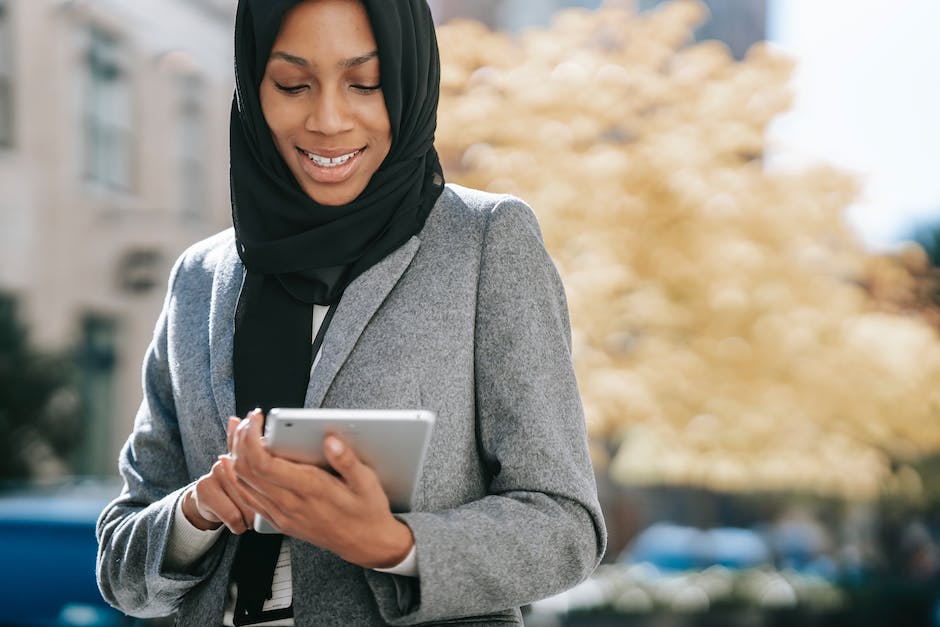
Recent criticisms of social media users who have large numbers of followers are often characterized as “fake” or “imposter syndrome,” but there is a much more serious implication to this term.
The word “accountability” was used to describe these individuals. This interpretation comes from the theory called “social accountability.” According to this theory, we hold each other accountable for our actions through the shared space of the internet.
If someone with many followers does something bad, this creates an environment where people feel obligated to speak up about it because they believe that their presence on social media makes them part of the problem.
This can result in hurt feelings, anger, and even violence towards the person being criticized. Because society places so much pressure on using social media to show your best self, failing to do so can sometimes lead to depression and suicide.
Sit and think before you post
Recent trends show that being more socially conscious is one of the most important things you can do to live an ethical life. With the speed at which we socialize now, it’s easy to forget how much influence our actions have.
By limiting yourself to only those platforms that agree with your moral compass, you make a statement to say “I am not going to be part of this culture."
You are also sending a message about what kind of person you want to be by deciding whether or not to use a platform that encourages harmful behaviors.
It’s very simple to stay off of Facebook for example; all you have to do is choose not to login. You can also simply delete your account if you really wanted to emphasize your dedication.
But don’t just take my word for it — check out these 15 ways to lose faith in humanity via YouTube.
Be honest with your followers
It is very important to be authentic when sharing your life online. Your followers will quickly notice if you are not being yourself in your posts.
If you would like to see more engagement from your social media accounts, start by being more self-aware of what content makes you feel good about yourself and your life.
Look at your social media presence in the whole picture
Sometimes, not being on social networking sites is seen as an impression management tactic. This isn’t always the case, however.
By staying off of social networks, you are actually proving to people that you don’t have much social life. You aren’t talking about yourself or what you own, so people assume that you don’t want to be around others very much.
This makes some people think that you don’t like other people and you probably haven’t changed their opinion of you already.
If this is the case, then why would you go through all of the work of changing who people view you to be if you weren’t planning to stay married to them for rest of their lives?
It’s possible that you just didn’t feel like connecting with everyone today, but there’s no need to add fuel to the fire when it comes to perception.