How Makes Moderna Vaccine
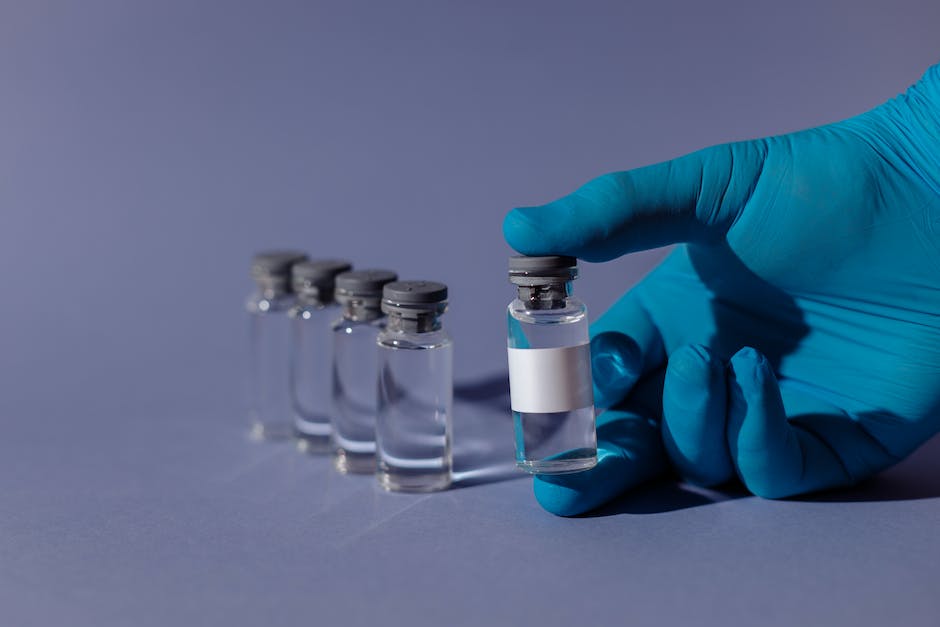
Recent developments in medical science have led to an explosion of new vaccines. Newer vaccines do not cause any significant side effects, are more effective than past versions, and can be used in larger proportions or at higher doses than before.
While there have been many successful vaccinations in preventing disease, one vaccine has recently received a great deal of attention. This vaccine was developed by Dr. Peter Luger, an Austrian doctor who coined the term “molecular immunology” while working as a physician in Vienna during the 1970s. He later moved to Boston to begin his research career, eventually founding what is now called Make More Sense (MMS) Laboratories, which focused on developing his theory about how immune responses work.
Since then he has conducted clinical trials testing his vaccination method against several diseases, including cancer. His approach involves injecting patients with substances that cannot themselves induce an immune response, but instead activate cells in our immune system already designed to respond to such stimuli. These activated T-cells then develop into long lived memory cells that help protect us from future exposures to the foreign substance.
Dr. Luger calls this process “T-cell activation” because the stimulated cell actually changes its structure so it looks like another type of cell with different internal components. This allows it to better recognize the original stimulus and launch an appropriate immune response.
His latest project involved creating a vaccine using pieces of a protein found in the most deadly form of human cancer.
Who develops vaccines?

While vaccine development has played an important role in saving lives around the world, it is not done by individual companies alone! Only a very few large corporations are responsible for most of our current vaccine supply.
Most people know that vaccines are designed to be spread from person to person, so they use a syringe to inject the vaccinated patient with the vaccine. What many don’t realize is that after the doctor gives the injection, he or she usually leaves the used needle somewhere- sometimes in a dirty environment where bacteria can grow.
After the doctor cleans their hands, they may also leave the unopened vial anywhere, such as under a table or in a bag. If the plastic packaging of the vaccine does not protect the contents well, there is risk of exposure to contaminants which could hurt the immune system and prevent proper vaccination.
There have been several cases where contaminated needles were left behind at the workplace, and someone who was properly immunized came into contact with the vaccine later. This situation can put the exposed person at risk of getting sick or even transmitting disease to others. It is the employer’s responsibility to make sure workers are protected, but most employers do not ensure this consistently due to time constraints.
It takes time to administer vaccinations, and some patients cannot be visited while being administered, {so} employees often leave the vaccinating process up to the next shift or day.
Who should get vaccinated?

Although there are many vaccines recommended for widespread use, only certain groups of people need to be concerned about protecting yourself from HPV. Because most people already have some level of protection due to past vaccination, individuals who feel they may have been exposed to high risk types of HPV can rest easy- you do not need additional vaccinations unless advised as such.
There is one vaccine currently approved for use in boys ages 9–15 years that protects against two strains of HPV – those related to the cancer causing type called cervical carcinoma and another linked with genital warts. This vaccine was released in June 2016 so it is still new, but many doctors recommend it because it has shown good safety and effectiveness.
If your doctor does suggest this vaccine for you, make sure you understand how it works before agreeing. It cannot protect you from all types or lines of HPV, and like any drug, there can side effects. But if you are aware of what will happen and when, these can usually be managed or even reversed.
Can I get the vaccine?

The next step in developing this new vaccine is to test it on humans. This means starting an observational trial, where people who are at risk for COVID-19 can be invited into a study to receive the vaccine or a placebo (an inactive drug that looks like the real thing). If you’re healthy and don’t have any underlying health conditions such as diabetes, then you could simply be given the vaccine, while others must take the place of the placebo.
It is important to note that even if you are enrolled in an intervention group, you will still remain under quarantine. Only after all the available vaccines have been tried does everyone come out!
Intervention studies usually last one year, but with coronavirus we are talking about potentially life saving treatments that should be given enough time to see effectiveness. Even if they aren’t completely effective immediately, continuing to use them and monitoring patients for changes will help determine whether they work. It is also helpful to monitor safety since these drugs have never been used before during an epidemic.
What are the side effects?
One of the most common reactions to vaccines is fever, but what many people don’t realize is that some strains of vaccine can actually contribute to lower temperatures! A normal part of your body is inflammation, which helps fight off infection.
Inflammation is caused by immune cells migrating towards an infectious agent or tissue that has been infected. Cytokines are chemicals produced during this process that help regulate other parts of your body to work more efficiently.
Some individuals have special genes that make them produce too much cytokine when exposed to certain things. These excessive levels of cytokine may be causing their body to enter into a state of immunosuppression, where it doesn’t function as well in protecting against infections.
This could potentially increase your risk for serious health problems down the road if you are exposed to something harmful like bacteria, viruses, or parasites. So how does a vaccine cause a drop in temperature?
By introducing a small amount of antigen (disease-causing material) into your bloodstream, your body mounts a response to eliminate it. Unfortunately, due to underlying medical conditions or genetics, your body cannot always effectively contain and/or destroy the antigen, so some is left over to activate your immune system.
Could the vaccine cause autism?
Even though there is no proof that the MMR (measles, mumps, rubella) vaccine causes autism, many people believe it does. There have been several studies done in recent years exploring whether or not the measles, MMMR vaccination could increase your child’s risk of developing autism.
Many parents fear that their children might be given the vaccine and then develop symptoms of autism later. Because autistic disorders are serious health conditions, many pediatricians recommend that all kids get vaccinated to prevent disease.
However, some researchers think that vaccines may actually trigger an autoimmune disorder in babies who are genetically susceptible to such diseases. This overactive immune system can sometimes affect brain development, so they suspect that the MMR vaccine contributes to the development of autism.
In fact, one study found that almost half of young children with autism were diagnosed within six months of receiving at least one dose of the MMR vaccine!
But here’s the thing about autoimmune diseases – even if you never get sick from them, you can still suffer from them. Your body goes into auto-mode when it becomes confused by a virus or other infection, which can result in problems like rheumatoid arthritis or lupus.
Because children with autism often experience gastrointestinal issues and nutritional deficiencies, we don’t know if this also applies to them.
Can I get the vaccine for my family?

As mentioned earlier, you can get the measles, mumps and rubella (MMR) vaccination at your doctor’s office or clinic free of charge.
You will be asked if you are able to provide proof that you have been vaccinated against MMR, such as from your medical records or through immunisation records. It is very important to know what documents count as evidence of immunity.
Your health professional may ask whether you have any other children in school and whether they need vaccinations too. If so, they will let you know which vaccines they should have and how many doses they require.
What happens if the vaccine causes autism?

The most serious adverse event associated with any childhood vaccination is diagnosed as ASD (autism spectrum disorder). This can be characterized by persistent changes in social interactions, repetitive behaviors, and lack of spoken language.
There have been several studies that compare vaccinated children to unvaccinated children to see how many cases of ASD there are after each immunization. In these studies, researchers look for three years after exposure to determine whether or not there’s an increase in diagnoses.
By looking at large populations, we are able to conclude that there is no link between vaccines and ASD. It has even been stated that “the risk of developing ASD following vaccinations seems very low.”1
In fact, one study found that only 1 out of every 2,500 pediatric patients developed ASD within three months of receiving the MMR vaccine!2
It is important to remember that just because one child develops symptoms does not mean that the vaccine caused their condition. More likely, it is due to chance alone.
Furthermore, some people are genetically predisposed to develop autistic-like behavior. Having a genetic predisposition means that they are more likely to experience this side effect regardless of whether or not they were exposed to the vaccine.
Experts believe that having such a protective immune system makes it easier for your body to process certain vaccines. For those individuals who do have a higher incidence of autoimmune diseases, using vaccines may be harmful.
Should I get the vaccine?

The next step in the pandemic preparedness plan is determining if you should get vaccinated. And while there are no “official” recommendations about whether or not you should, we do have some helpful information for you here!
Most people who've recovered from COVID-19 say they felt very tired at first before their symptoms improved. This is called post-infection fatigue. You may also experience muscle aches, fever, cough, runny nose, and sore throat which can last several days.
While it's normal to feel sick after being infected with the virus, knowing what works for your body will make getting better much faster. So even if you don't think you're at risk of catching coronavirus right now, it's important to be informed.
That's why we've gathered all the info you need to know about how well Medical Needle Therapy (MNT) has worked in treating infectious diseases like influenza and Zika. We'll also look at some potential benefits related to its use as an immune system booster.