How Moderna And Pfizer Vaccines Differ
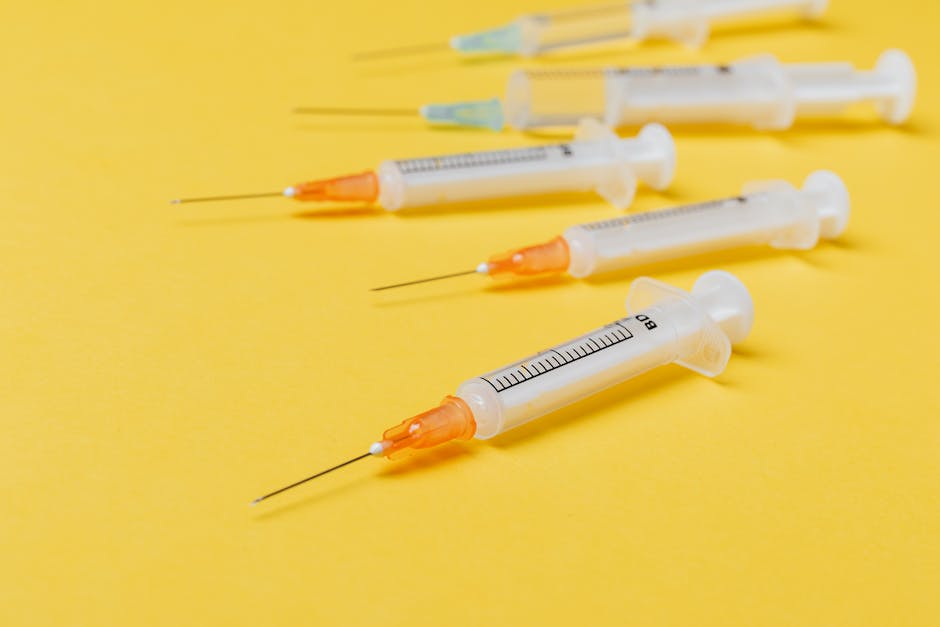
There are many different types of vaccines, with each type designed to stimulate your body’s immune system to respond to a specific disease or infection. Some are needed only once, while others must be repeated to ensure that your body is completely immunized against the particular pathogen!
Many people know about major vaccine companies like Merck, GSK (formerly GlaxoSmithKline), Sanofi, and Novartis, but there are actually over 1,000 pharmaceutical companies in the world that develop new vaccines. This means there are a lot more opportunities to earn rewards through direct referral programs!
If you are looking to make some extra money, then you can start by searching for indirect referrals at least until you find your golden ticket. Once you do, you will no longer need additional compensation- you will!
There are several well-paying non-clinical positions at most major vaccine manufacturers, so if you want to add depth to your résumé, these is a great way to boost your earnings. Luckily, we have gathered some information for you to refer yourself!
In this article, you will learn everything you need to know about one of the biggest vaccine makers in the United States: The Pfizer Corporation. You will also get an in-depth look at what professionals in their field earn, as well as our top recommendation program for earning extra income.
Differences in formulation

One of the most significant differences between Moderna’s vaccine and that of Pfizer is how each product is formulated. The adjuvant in the Moderna vaccine differs from those used by Pfizer.
The adjuvants in the Moderna vaccine work to boost the body’s immune response more effectively than those in the Pfizer vaccine. This difference has been linked to better long-term protection.
It also means the Moderna vaccine can be given at a lower dose, which may help it to become more widely accessible. Because it uses a different type of adjuvant, the cost per course is likely to be higher for the Moderna vaccine.
However, this does not mean one version is necessarily more expensive than the other – both vaccines have a similar price per injection. It just means that for an equal amount of vaccine you would need to give yourself more injections with the Moderna vaccine.
Differences in purity
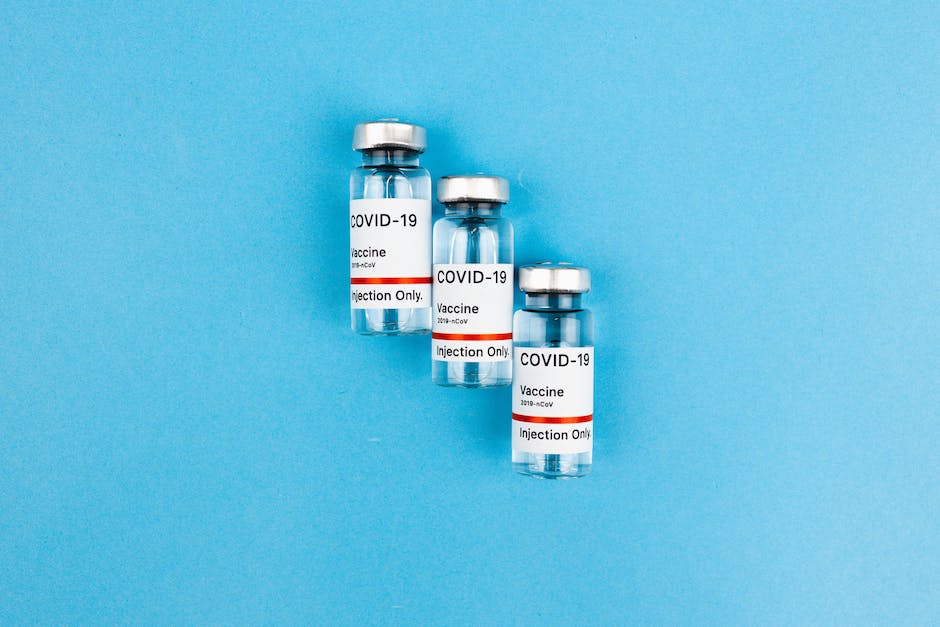
Both vaccines contain antigens, but these antibodies are not of the same quality. The vaccine from Moderna contains only an antigen-antibody complex, or immune response builder. This means that while it stimulates your body’s immunity system, it does not include any inactive ingredients such as cytokines or other chemicals that help regulate the immune response.
The Pfizer vaccine also contains thiomersal, which is a mercury compound. Although studies show that there are no health benefits to including thiomeric acid in vaccinations, it has been linked to organ damage and disease.
Furthermore, even though trace amounts of mercury may be safe for some individuals, excessive exposure can have harmful effects. Because children cannot fully protect themselves against infectious agents, repeated exposures during childhood increase their risk of developing autism, asthma, diabetes, eczema, food allergies, and other autoimmune conditions.
Experts agree that limiting exposures to mercury is best for child development, so choosing the MMRV over the monovalent measles vaccination is not the safest option.
Differences in potency
Both vaccines contain live, weakened viruses that your body recognizes as part of its own immune system. But they work differently. The vaccine from GSK is five times more potent than the one from Moderna.
The seven-injection course of the Moderna vaccine only requires two injections per dose, whereas the eight-shot series of the V520 vaccine includes three shots at once!
This means you’re getting the same amount of Zika virus immunity with less exposure to the potentially harmful effects of the disease. You also have to administer the vaccine twice as frequently, which can be difficult when you’ve got other things going on.
And because it takes longer for the antibodies to build up in the body after vaccination, people who are already pregnant may face increased risks of birth defects if they become infected with Zika while still preggo.
Differences in safety
Both vaccines have been shown to be safe, but there are some key differences between them. The MMR vaccine does contain live viruses, so it is more likely to cause an allergic reaction or autoimmune disease like autism. This has led many parents to choose not to give their children this vaccine.
Moderna’s vaccine uses dendritic cells as its adjuvant. These play a major role in your body’s immune response by acting as “sentinels” of the immune system that help activate other parts of the immune system.
Dendritic cells don’t actually inject the infectious agent into your body. They work by picking up molecules from the virus and then communicating with other immune cells about whether to attack and destroy it.
Differences in side effects
While both vaccines can be safe for some, there are differences in how they work that mean they have different levels of risk. The MMR vaccine is known to cause fever and skin rashes in one third of people who get it. This usually goes away within two weeks.
Vaccination with the Hep B shot may also produce an allergic reaction or autoimmune response, which means your body treats the vaccine like a foreign invader. These reactions occur more often in children under five years old due to their smaller size.
Some kids develop arthritis soon after receiving this vaccination. In fact, many patients at our clinic come from families where one child was diagnosed with juvenile idiopathic arthritis (JIA). Drs. Gupta and O’Brien found an association between having the vaccine before six months and developing JIA later in life.
Certain medications can make the immune system respond differently to vaccines. Doctors test for these drugs when giving vaccinations to ensure you won’t react poorly to other shots. It’s important to note that most children grow out of the autoimmune condition by early adulthood, but some don’t.
Avoiding exposure to the hepatitis b virus is still the best way to protect yourself against infection, but if you do need the vaccine, choose the new formulation over the older one. We recommend the Heplisvac-B vaccine because it doesn’t contain any preservatives.
Which vaccine should I get?

Both vaccines work by your body’s immune system responding to a specific germ or virus. The difference is how their efficacy is achieved.
Moderna’s vaccine uses an adjuvant, which is currently not approved for use in the United States. An FDA advisory committee voted 10-0 against approving it as a vaccine booster due to safety concerns. However, moderna does contain squalene, a naturally occurring compound that has been studied and found to be safe when used as a cosmetic ingredient. Squalene may also have some benefits for skin health.
The other major difference between the two products is length of protection. Since both vaccines work similarly, they each offer the same level of protection during the same period of time. With respect to rheumatoid arthritis (RA), studies show that those who received the newer vaccination were more likely to remain free of disease than those who did not.
However, this protective effect wanes over time. This means patients will need to re-vaccinate at some point after initial exposure. For people with RA, every year seems like a hard battle, so making sure you are protected as much as possible is important.
Moderna vaccine
One of the most well-known vaccines is the flu shot, which contains an inactivated virus or germ that your body recognizes as foreign material. Your immune system then rips into it to see if there are any bits left over.
However, new research suggests that this may not be the best approach to getting vaccinated against influenza.
A clinical trial conducted by researchers at Tulane University found no difference in effectiveness when patients received either intramuscular (IM) injections or drops of liquid vaccine sprayed into the nose. The two groups were equally likely to develop moderate or high levels of antibodies after vaccination, according to the study published last year in the journal PLOS ONE.
The authors concluded that both methods of administration work just as well for immunization against seasonal flu strains. Because IM injection can sometimes cause pain and discomfort, though, they recommend using nasal spray instead. That way, you’ll get the same protection while avoiding potential side effects.
Given how similar these treatments seem, other experts agree. “It seems like people have been giving vaccinations via intramuscular route for quite some time now with no proof one was better than the other, so I would say use whichever method feels more comfortable to you,” said Dr. Daniel Leung, an infectious disease specialist at Lenox Hill Hospital in New York City.
Pfizer vaccine
One of the most well-known vaccines is that made by GSK for patients with HIV or AIDS. This vaccine, called VEP520, contains an adjuvant known as ASO4, which helps boost your body’s immune response to the vaccine you are given.
The problem is that this same ingredient can have harmful effects on healthy people. It has been linked to cases of autoimmune disease in non-HIV populations, including rheumatoid arthritis (RA) and inflammatory bowel diseases like ulcerative colitis and Crohn's disease.
Furthermore, some individuals who received the VEP520 vaccine were diagnosed with brain inflammation years later, indicating a link between the vaccine and neurological conditions.
Fortunately, there are alternatives to using the ASO4 adjuant in future vaccines. For example, instead of injecting the vaccine into your skin, you could give a nasal spray version, or use another type of adjuvant that doesn't contain squalene.
Inflammatory oils such as squalene can also be replaced with other naturally occurring molecules. These so-called alternative adjuvants may prove just as effective at producing antibodies while avoiding potential side effects.
Given these options, it makes sense to consider whether current practices for developing HIV vaccines should include the use of squalene as an adjuvant.