How Social Media Influencers Started: The Story Behind the Phenomenon

Introduction to Social Media Influencers
Social media influencers have become a dominant force in the marketing industry, shaping trends and consumer behaviors. The phenomenon of social media influencers has rapidly evolved from its humble beginnings to the multi-billion dollar industry it is today. It all started with the rise of social media platforms such as Instagram, YouTube, and Facebook, which provided individuals with the opportunity to share their thoughts, experiences, and expertise with a global audience.
As these platforms gained popularity, certain individuals began to amass large followings, becoming influential figures within their respective niches. Brands soon recognized the potential of collaborating with these individuals to reach their engaged and loyal audiences. This marked the birth of influencer marketing, a strategy that has revolutionized the way brands connect with consumers.
Today, social media influencers come in various forms, including lifestyle influencers, beauty gurus, fitness enthusiasts, and more. Their impact extends beyond marketing, as they also play a significant role in shaping cultural trends and advocating for social causes.
Visit our website to learn more and get started today! Click here.
The Emergence of Social Media Influencers

The Emergence of Social Media Influencers
The emergence of social media influencers can be traced back to the early 2000s with the advent of platforms like MySpace and Blogger. These platforms provided individuals with the means to create and share content, laying the groundwork for the influencer culture we see today.
With the evolution of social media, platforms like Instagram and YouTube emerged, allowing individuals to amass large followings based on their unique content and engaging personalities. This shift marked a turning point in the way individuals could gain influence and reach a global audience.
As social media usage skyrocketed, brands recognized the potential of partnering with these influential individuals to promote their products and services. This led to the professionalization of influencer marketing and the establishment of guidelines to ensure transparency and authenticity in brand collaborations.
The emergence of social media influencers has reshaped the digital landscape, creating new opportunities for creators and revolutionizing traditional advertising methods.
Pioneers of Social Media Influence
Pioneers of Social Media Influence
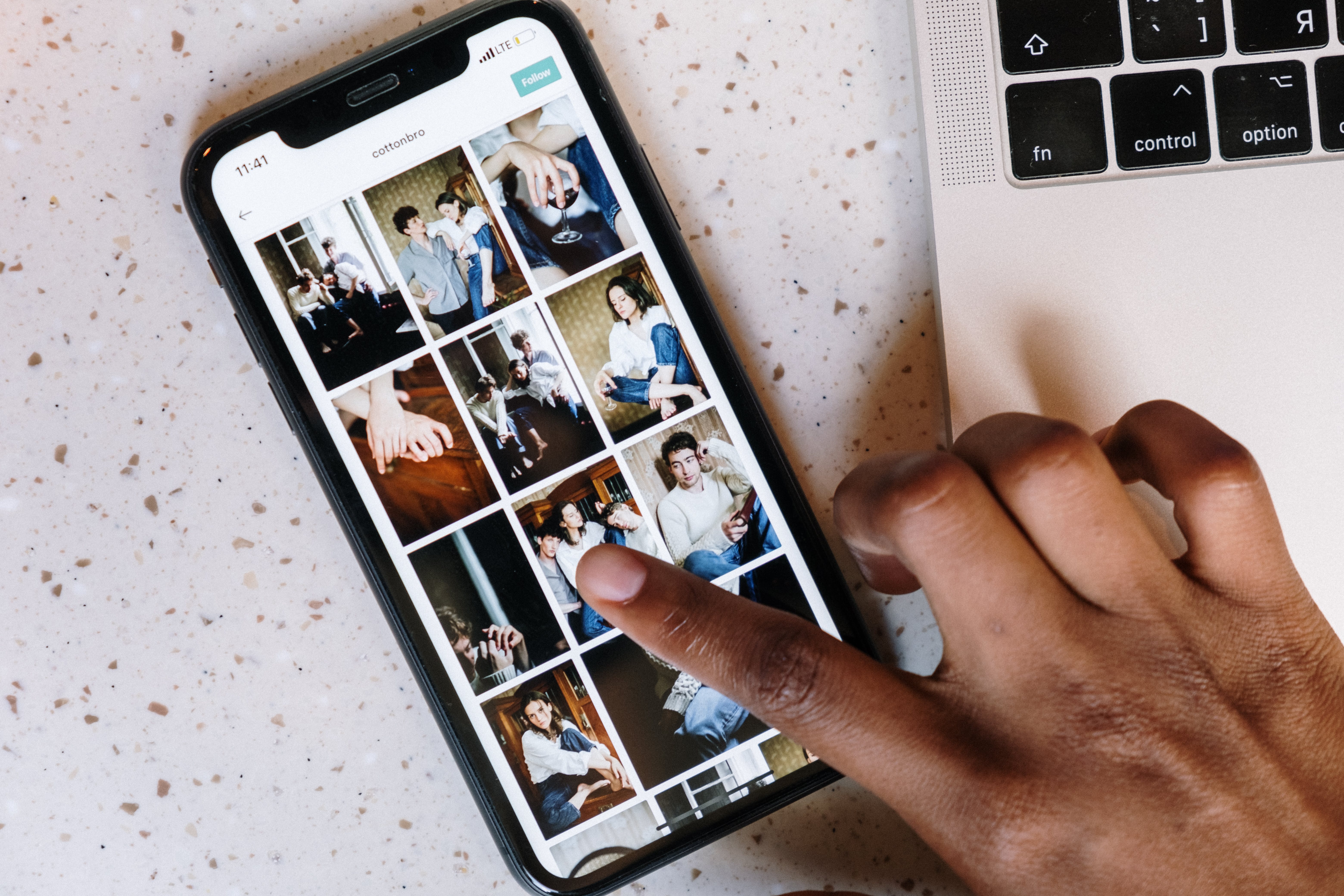
Several individuals played pivotal roles in shaping the concept of social media influence. Early adopters such as fashion bloggers, beauty vloggers, and lifestyle enthusiasts were among the first to leverage their online presence to cultivate dedicated followings.
Notable figures like Gary Vaynerchuk, who utilized YouTube to share his expertise in entrepreneurship and marketing, and Michelle Phan, a beauty guru on YouTube, were instrumental in demonstrating the impact and potential of social media influence.
These pioneers set the stage for a new breed of digital creators, inspiring others to carve out their own niches and build personal brands in the digital sphere. Their innovative approaches and authentic engagement with their audiences paved the way for the diverse ecosystem of social media influencers present today.
Evolution of Influencer Marketing
Evolution of Influencer Marketing
The emergence of social media gave rise to a dynamic shift in marketing strategies, leading to the evolution of influencer marketing. Brands recognized the potential of collaborating with influential individuals who could authentically promote their products or services to engaged audiences.
Initially, influencer marketing primarily revolved around sponsorships and product placements. However, as the industry matured, it evolved to encompass a wide array of content partnerships, including sponsored posts, affiliate marketing, and ambassador programs.
Furthermore, the evolution of influencer marketing has seen a shift towards micro and nano influencers, who boast smaller but highly engaged followings. This shift has allowed brands to diversify their influencer strategies and tap into niche markets with genuine connections and impactful engagement.
Today, influencer marketing continues to evolve rapidly, integrating seamlessly with social media platforms and leveraging advanced analytics to measure and optimize campaign performance.
Impact of Social Media Influencers

Impact of Social Media Influencers
Social media influencers have undeniably transformed the landscape of digital marketing, wielding significant impact on consumer behavior and brand perception. Their authentic and relatable content has the power to influence purchasing decisions and shape popular trends.
One of the key impacts of social media influencers is their ability to humanize brands, fostering genuine connections with their followers and enhancing brand loyalty. Through compelling storytelling and genuine endorsements, influencers create a sense of trust and credibility, ultimately driving consumer engagement and brand affinity.
Moreover, social media influencers have the capacity to amplify brand reach and awareness, particularly among younger demographics who are increasingly drawn to authentic, influencer-generated content. Their ability to create viral trends and spark conversations has propelled brands to leverage influencer partnerships as a vital component of their marketing strategies.
Additionally, influencers have become instrumental in driving social change and raising awareness about important social and environmental issues, using their platforms to advocate for meaningful causes and inspire positive action among their audiences.
The Future of Influencer Culture
The Future of Influencer Culture
As influencer culture continues to evolve, it is poised to play an even more integral role in shaping consumer preferences and brand strategies. With advancements in technology, **the influencer landscape is expected to diversify**, encompassing a wide array of niches and content formats, from immersive virtual experiences to interactive storytelling.
**Brands will increasingly collaborate** with micro and nano influencers, recognizing the value of niche communities and authentic engagement over sheer follower counts. This shift towards authenticity and meaningful connections is likely to redefine the influencer marketing space, fostering deeper, more impactful relationships between influencers, brands, and audiences.
Furthermore, **the rise of ethical and sustainable influencer partnerships** is anticipated, with influencers aligning with brands that embody their values and contribute positively to society and the environment. This shift reflects a growing consumer demand for authenticity, transparency, and purpose-driven initiatives.
As the influencer landscape continues to evolve, it is essential for aspiring influencers and brands to stay abreast of these trends and **embrace innovative strategies** that prioritize authenticity, creativity, and genuine connections with their audiences.
To explore the latest trends and insights in influencer culture, visit our website and join the conversation today!